Our Programs
Programs Areas
Northern Girl Initiative (NGI) implements an integrated development model anchored in six core thematic pillars. These pillars are mutually reinforcing and designed to address the multidimensional barriers faced by girls and young women, while the organization’s cross-cutting approaches ensure inclusivity, sustainability, and protection across all interventions
Education & Skills Development
Digital Inclusion & Innovation
Climate Action & Environmental Sustainability
Climate Action & Environmental Sustainability
Enterprise & Economic Empowerment
Health, Wellbeing & social Inclusion
Education & Kills Development
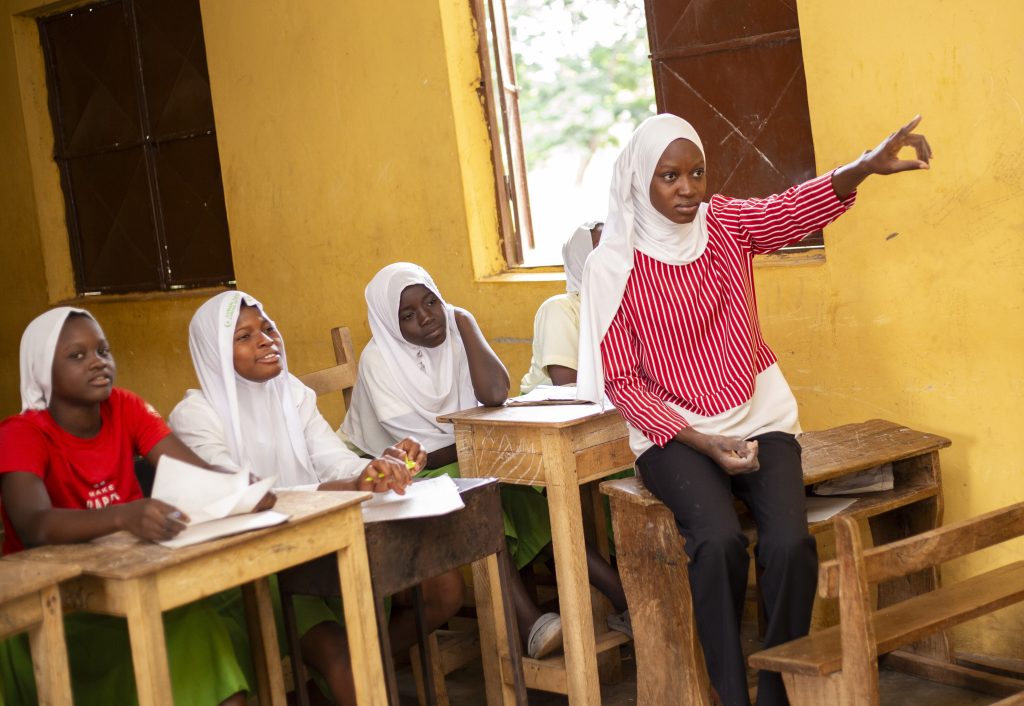
NGI promotes equitable access to quality education while equipping girls and young women with foundational and transferable skills required for lifelong success. Interventions focus on literacy improvement, academic support, school transition pathways, and leadership development.
This pillar integrates mentorship as a key delivery approach, pairing participants with role models and facilitators who provide guidance, motivation, and career exposure. Through a community development lens, NGI works with schools, families, and local stakeholders to strengthen enabling environments that support girls’ education. All activities are implemented in line with strict safeguarding standards to ensure safe and inclusive learning spaces.
Digital Inclusion & Innovation
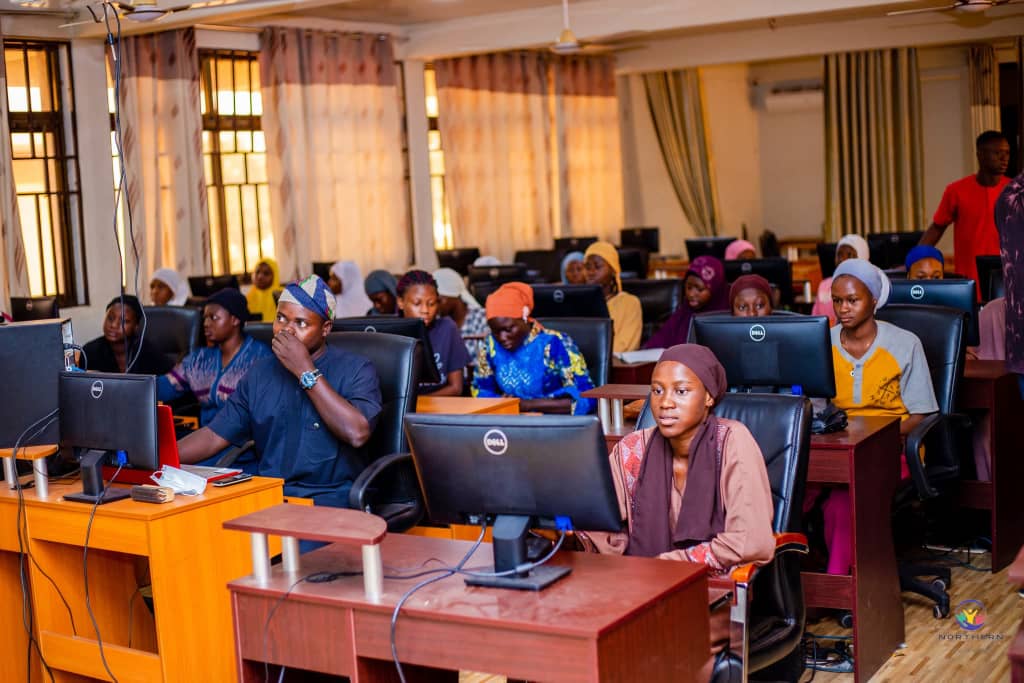
NGI advances digital inclusion by equipping girls and young women with critical ICT skills to participate effectively in the digital economy. Programs include basic computer literacy, coding, digital tools for education, and exposure to innovation pathways.
The organization adopts a community-based approach to reach underserved and hard-to-reach areas with limited digital infrastructure. Mentorship is embedded to build confidence and sustained interest in technology, while safeguarding protocols ensure that participants are protected from online risks and digital harm. This pillar also links closely with advocacy efforts around digital rights and online safety.
Enterprise and Economic Empowerment
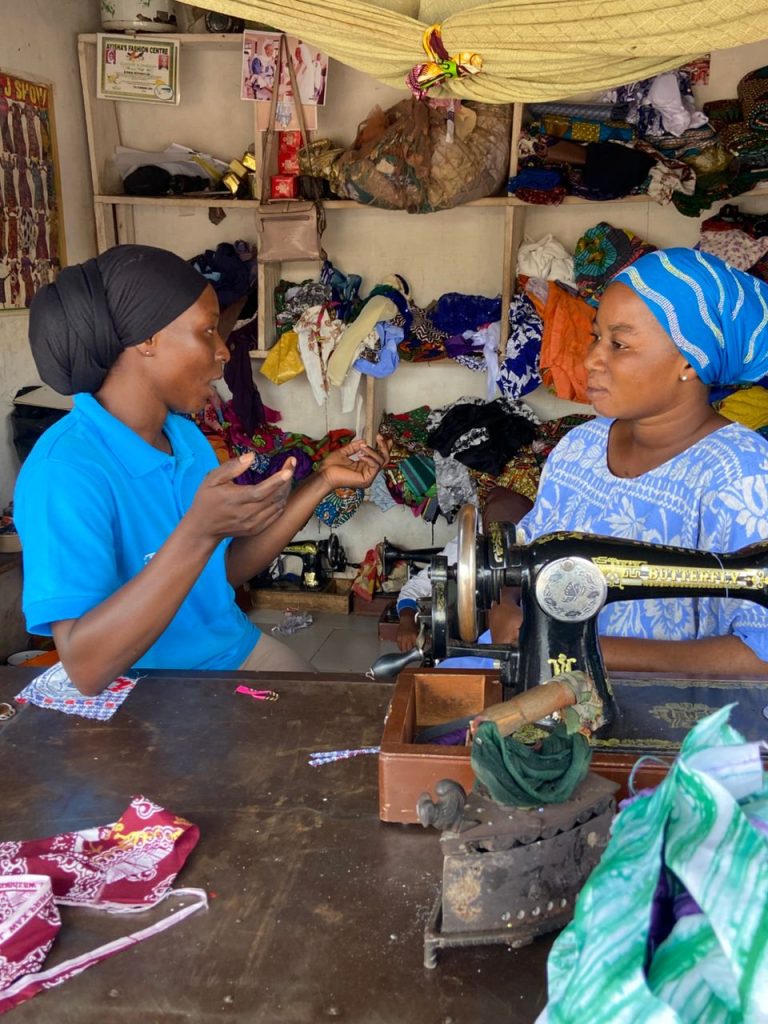
NGI supports women and young women to achieve economic independence through entrepreneurship development, livelihood support, and access to market-relevant skills. This includes agribusiness training, digital entrepreneurship, and business development support.
Through mentorship, participants receive practical guidance on business planning, financial management, and growth strategies. The organization leverages community structures and local networks to create market linkages and support systems that enhance sustainability. Safeguarding principles are applied to ensure that economic participation does not expose beneficiaries to exploitation or harm.
The organization adopts a community-based approach to reach underserved and hard-to-reach areas with limited digital infrastructure. Mentorship is embedded to build confidence and sustained interest in technology, while safeguarding protocols ensure that participants are protected from online risks and digital harm. This pillar also links closely with advocacy efforts around digital rights and online safety.
Climate Action and Environmental Sustainability
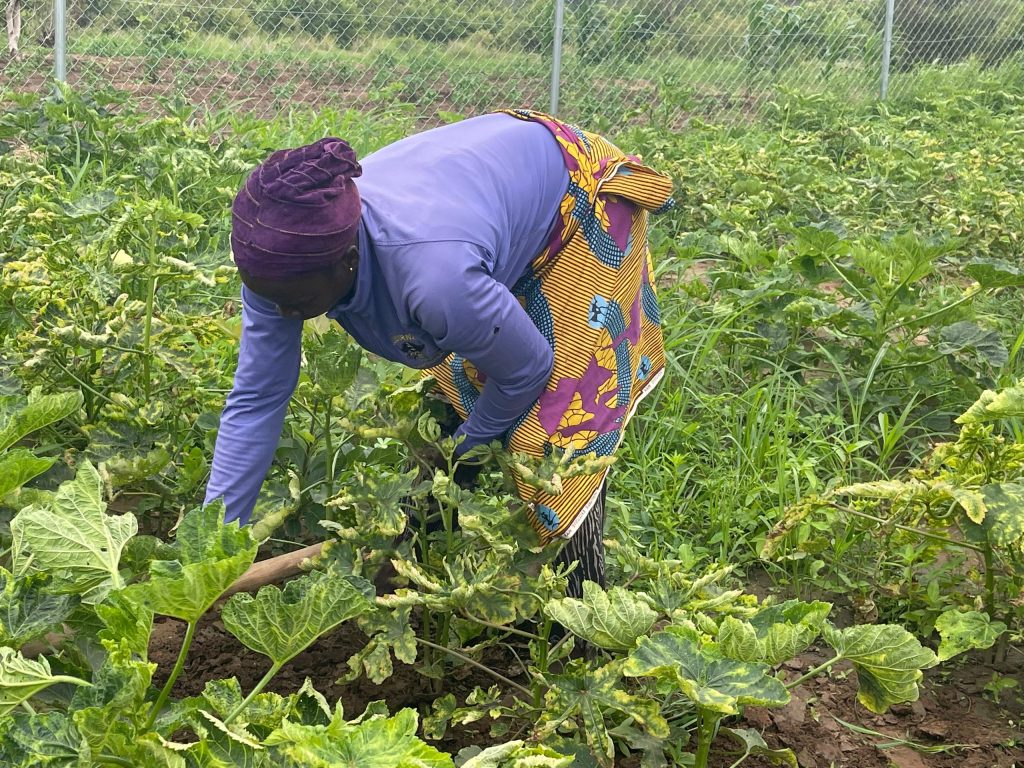
NGI empowers women and girls to become active agents in climate resilience and environmental sustainability. Interventions include climate education, climate-smart agriculture, and community-based environmental practices.
This pillar is strongly rooted in community development, working directly with local populations to implement context-specific climate solutions. Mentorship and peer learning approaches are used to build local leadership and ownership of climate initiatives. Safeguarding considerations ensure that interventions are inclusive and sensitive to the vulnerabilities of women and girls in climate-affected communities.
Health, Wellbeing, and Social Inclusion
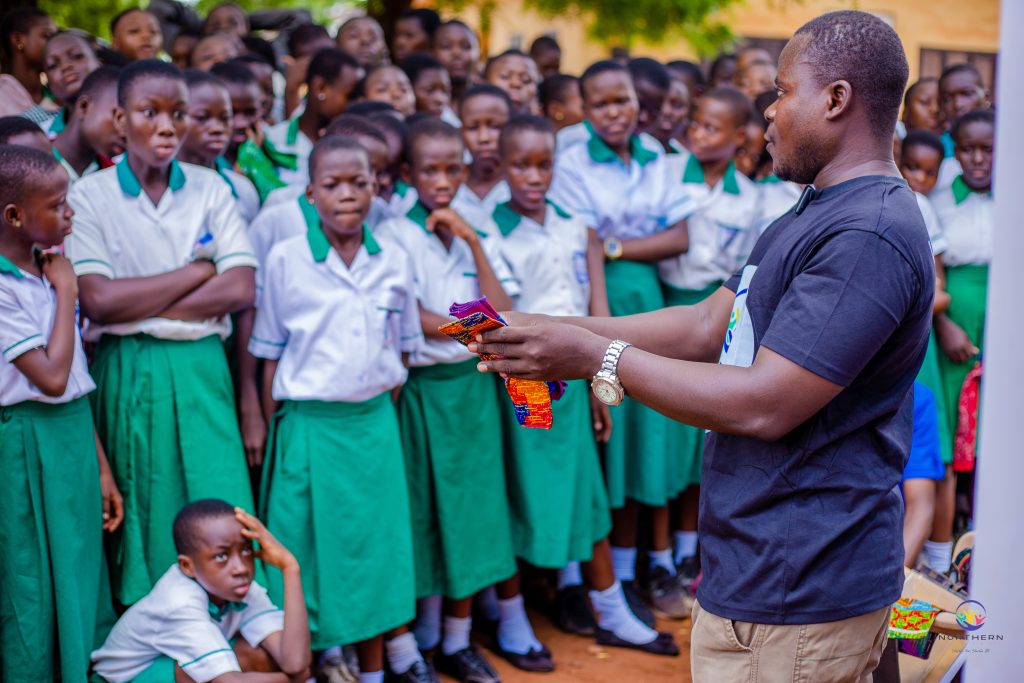
NGI promotes the wellbeing and rights of women and girls through integrated interventions in WASH, menstrual and reproductive health, and psychosocial support, alongside advocacy to address gender inequality and social exclusion. The organization works with communities to improve access to safe environments while driving behavior change and amplifying the voices of marginalized groups in decision-making processes. Mentorship and safe spaces foster confidence, leadership, and open dialogue, with all activities guided by strong safeguarding and ethical standards.
This pillar is strongly rooted in community development, working directly with local populations to implement context-specific climate solutions. Mentorship and peer learning approaches are used to build local leadership and ownership of climate initiatives. Safeguarding considerations ensure that interventions are inclusive and sensitive to the vulnerabilities of women and girls in climate-affected communities.